The Artistry & Insight of Carl Gustav Jablonski
The 18th Century artist naturalist, entomologist, and illustrator
In the realm where science and art intersect, few figures have left as lasting an impression as Carl Gustav Jablonski. Renowned for his multifaceted talents as a naturalist, entomologist, and illustrator, Jablonski's contributions spanned across disciplines, weaving a rich tapestry of knowledge and beauty. This blog explores the life, achievements, and enduring legacy of the man who, during the 18th century, brought the wonders of the natural world to life through his meticulous observations and artistic prowess.
Born in 1756 in Berlin, Carl Gustav Jablonski developed a deep-seated love for the natural world from an early age. Raised amidst the diverse flora and fauna of his homeland, his childhood fascination with insects and other creatures blossomed into a lifelong passion. This innate curiosity and connection with nature laid the foundation for Jablonski's later endeavours as a naturalist.
Jablonski's academic journey took him on a path that seamlessly blended scientific inquiry with artistic expression. He pursued studies in entomology, diving into the intricate world of insects, their behaviour, and ecological roles. During his early adulthood he honed his skills not only as a keen observer of nature but also as an illustrator, mastering the art of capturing the essence of the creatures he studied.
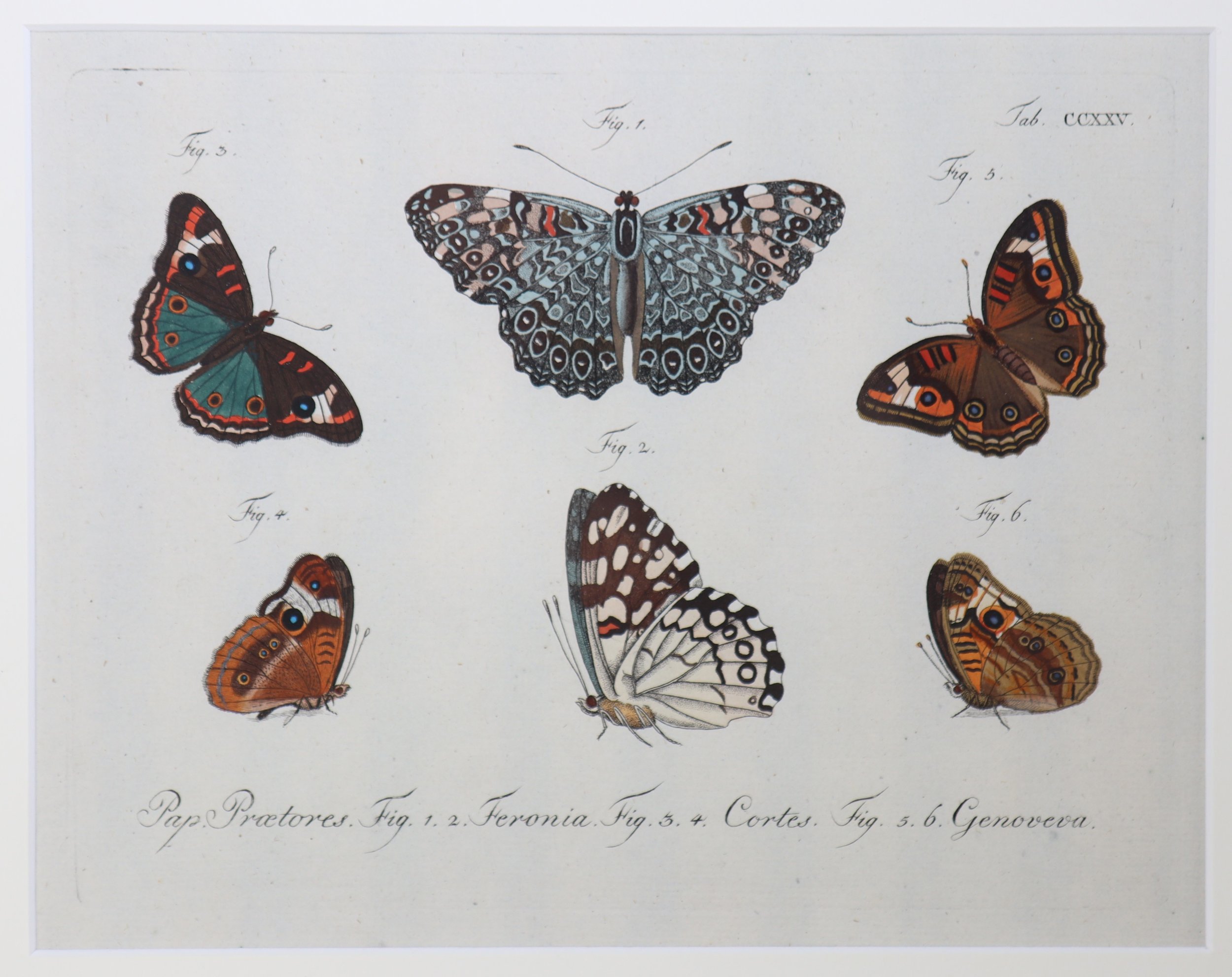
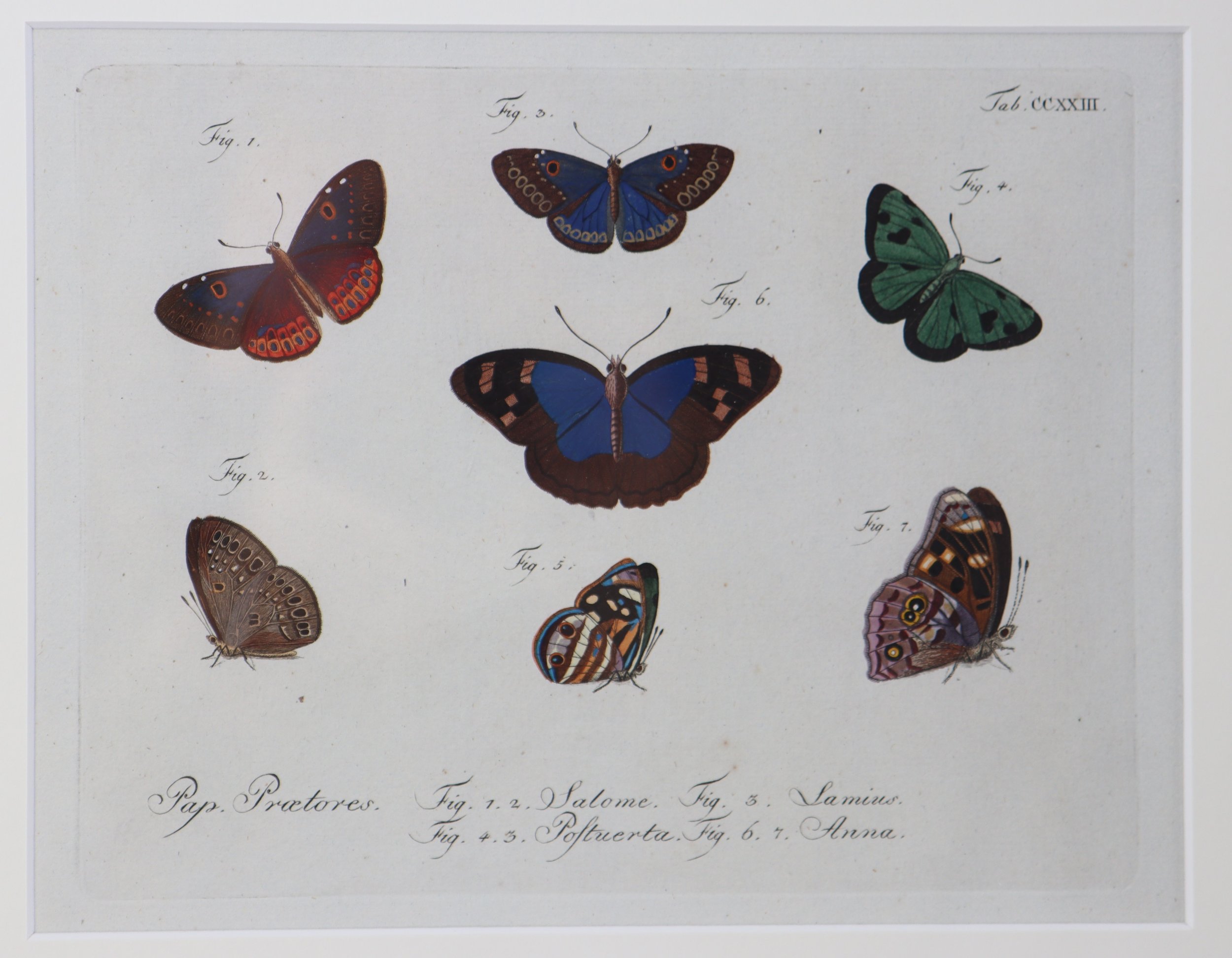
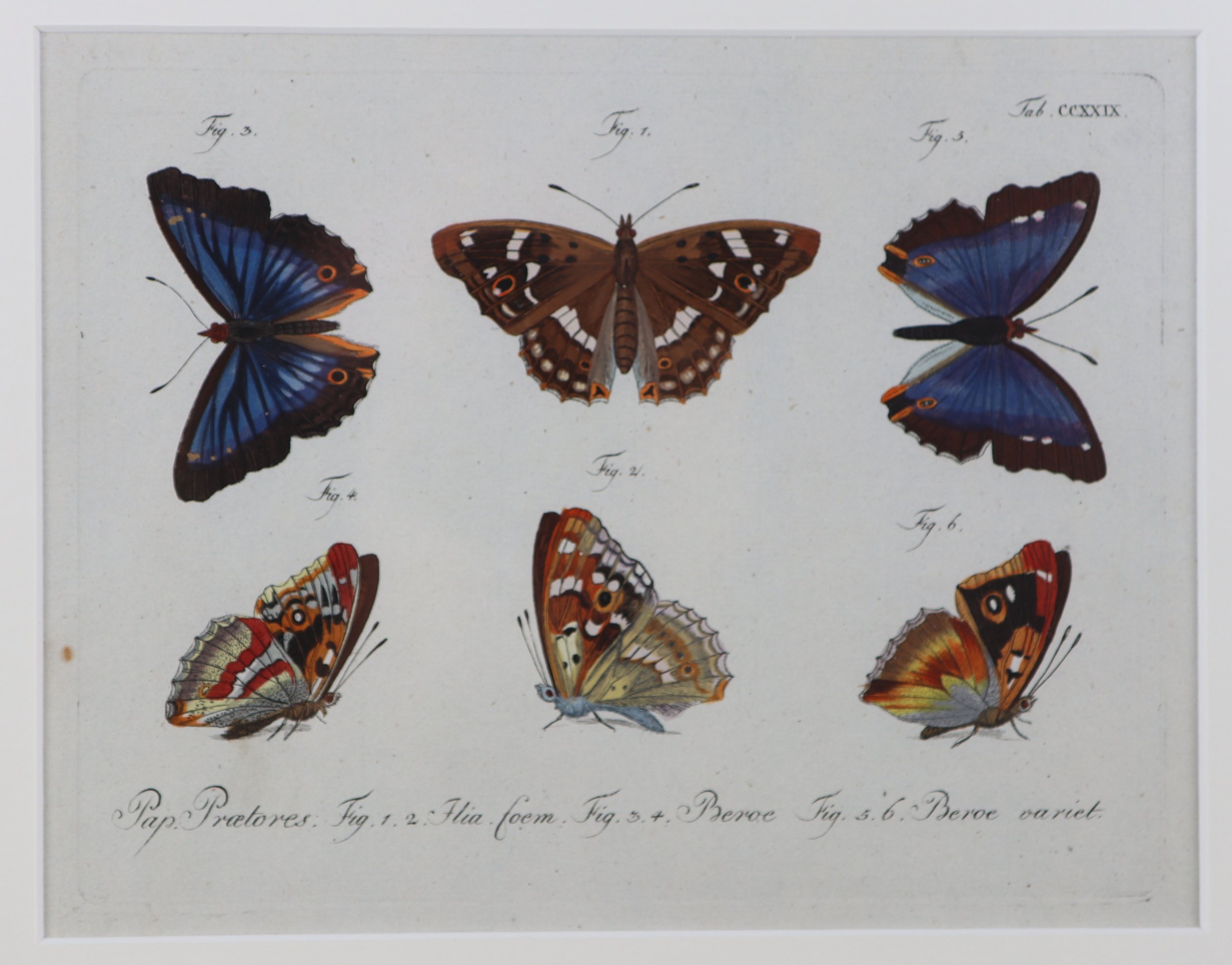
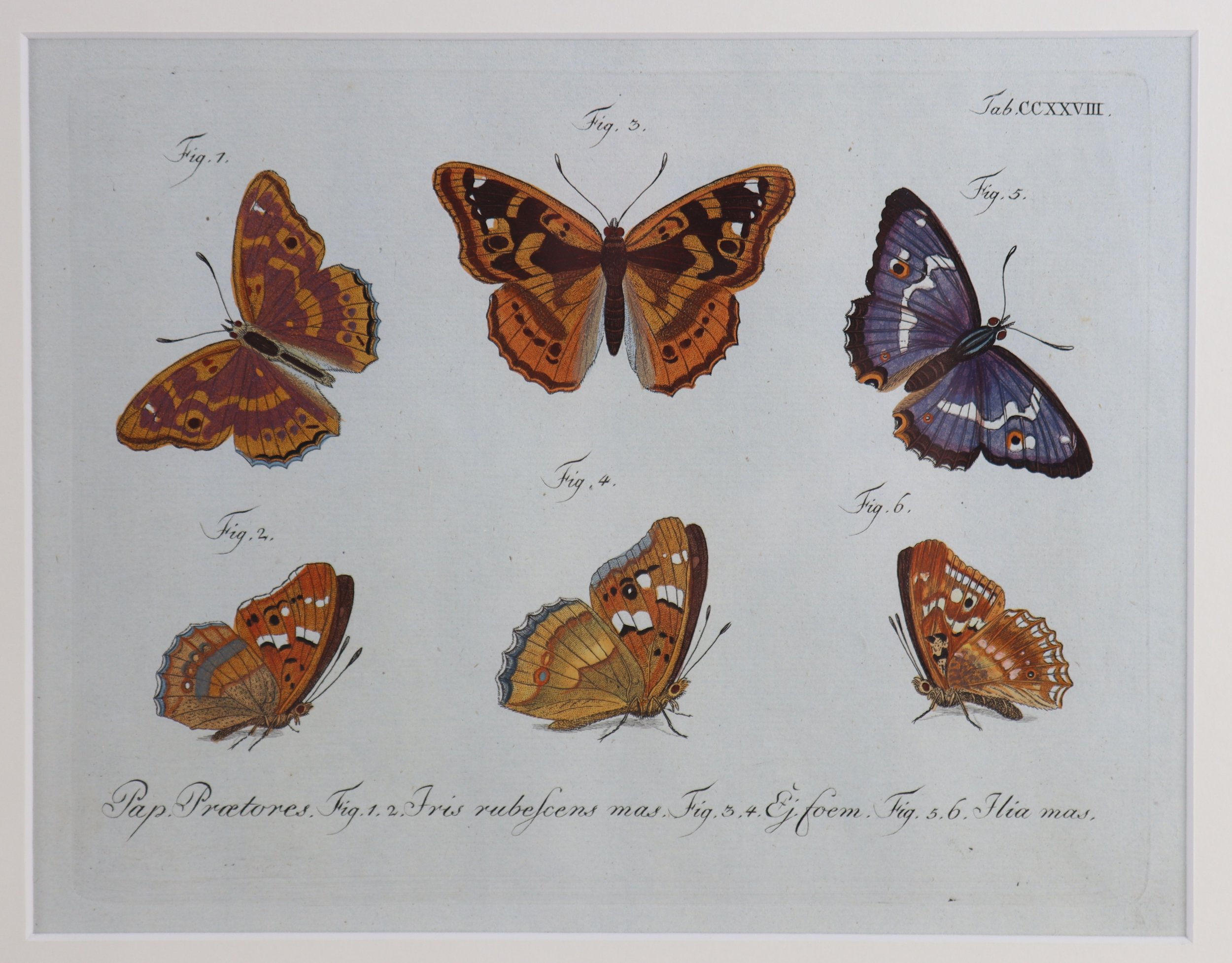
Jablonski's illustrations are a testament to his exceptional ability to breathe life into the subjects of his study. Whether meticulously depicting the delicate wings of butterflies or the intricate details of beetle exoskeletons, his artwork transcended mere scientific documentation. Each illustration was a work of art, capturing the essence of the organisms in a way that resonated with both scientists and art enthusiasts alike.
Beyond his artistic talents, Jablonski made significant contributions to the field of entomology. His research focused on entomology, the most abundant groups of animals in the world, shedding light on previously unknown aspects of insect behaviour, ecology, and taxonomy. His findings not only expanded our understanding of the natural world but also contributed to the broader scientific community's knowledge base.
The legacy of Carl Gustav Jablonski extends beyond his own lifetime. His illustrations and research have become timeless resources, inspiring generations of naturalists, scientists, and artists, including Johann Friedrich Wilhelm. The delicate balance he struck between scientific rigor and artistic expression serves as a model for those seeking to communicate the beauty and complexity of the natural world.
Carl Gustav Jablonski's contributions stand as a testament to the seamless integration of science and art. His keen observations, scientific rigor, and artistic flair have left an indelible mark, reminding us that the beauty of the natural world is not only found in textbooks but also in the intricate strokes of an illustrator's pen.

Set of three original and exceptional hand-coloured copper plate engravings from watermarked laid paper from the exceedingly rare publication Natursystem aller Bekannten in-und Ausländischen Insekten by Carl Gustav Jablonsky (b.1756 - d.1787), published between 1783 and 1804.
Jablonsky was a German naturalist, entomologist and illustrator, he was also private secretary to Elisabeth Christine of Brunswick-Wolfenbüttel-Bevern (b.1715 - d.1797), the Queen of Prussia.
For a more comprehensive insight into Jablonski, please read our blog here.
These engravings are from one of the earliest and most comprehensive catalogues of butterflies and insects. The publication was for made for biologists, as well as for aristocrats interested in learning about the latest discoveries. These engravings are not only scientifically accurate but also aesthetically beautiful with their natural shapes, colours and decorative patterns.
Extremely rare for such large examples of each specimen illustrated from this time period.
These three examples are plate XXX (30) illioneus owl, plate XXI (21) sunset morpho and plate XXIX (29) owl butterfly.
Mounted in hand-crafted wooden frames with glass, this set is exceptional and ready to display.
Dimensions (each framed image):
365mm wide
310mm high
Please note, shipping is free to all UK mainland and island addresses, if you are outside of the UK, please contact us prior to purchase for options and costs.

Set of six original and exceptional hand-coloured copper plate engravings from watermarked laid paper from the exceedingly rare publication Natursystem aller Bekannten in-und Ausländischen Insekten by Carl Gustav Jablonsky (b.1756 - d.1787), published between 1783 and 1804.
Jablonsky was a German naturalist, entomologist and illustrator, he was also private secretary to Elisabeth Christine of Brunswick-Wolfenbüttel-Bevern (b.1715 - d..1797), the Queen of Prussia.
For a more comprehensive insight into Jablonski, please read our blog here.
These engravings are from one of the earliest and most comprehensive catalogues of butterflies and insects. The publication was for made for biologists, as well as for aristocrats interested in learning about the latest discoveries. These engravings are not only scientifically accurate but also aesthetically beautiful with their natural shapes, colours and decorative patterns.
These are plate numbers 222, 223, 224, 225, 228 & 229. From Brazil and Guyana, amongst those depicted are; Red Cracker, Blue and Tropical Buckeye, Six-Line Blue, Mylitta Greenwing, Lesser Purple Emperor, Opaque Six-Line Blue, Lattice Brown and the Pierella Lena.
Mounted in hand-crafted wooden frames with glass, this set is exceptional and ready to display.
Dimensions (each framed image):
350mm wide
305mm high
20mm deep
Please note, shipping is free to all UK mainland and island addresses, if you are outside of the UK, please contact us prior to purchase for options and costs.
Due to the bespoke and hand-made nature of picture framing, there may be some variation in frame sizes between pairs and sets.